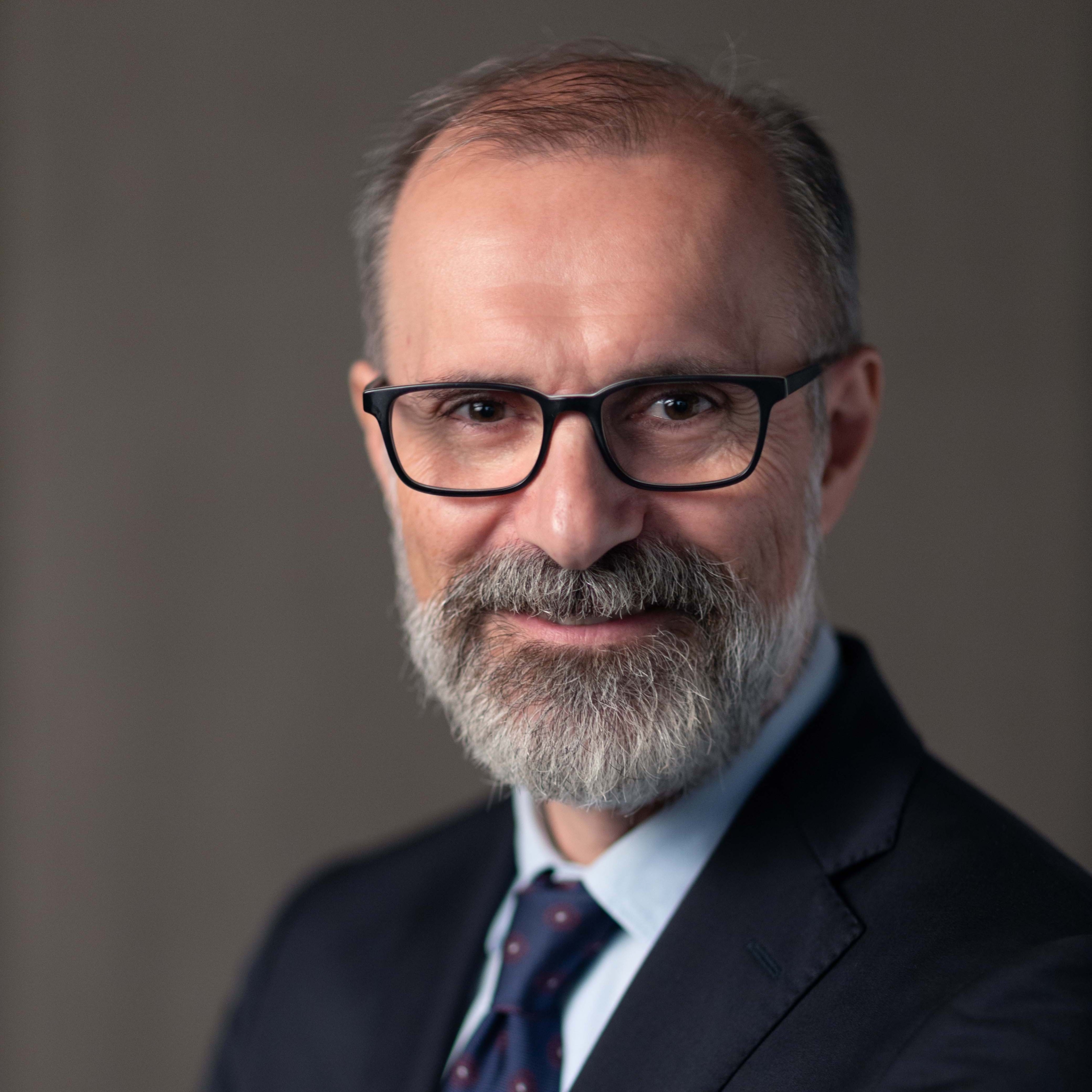
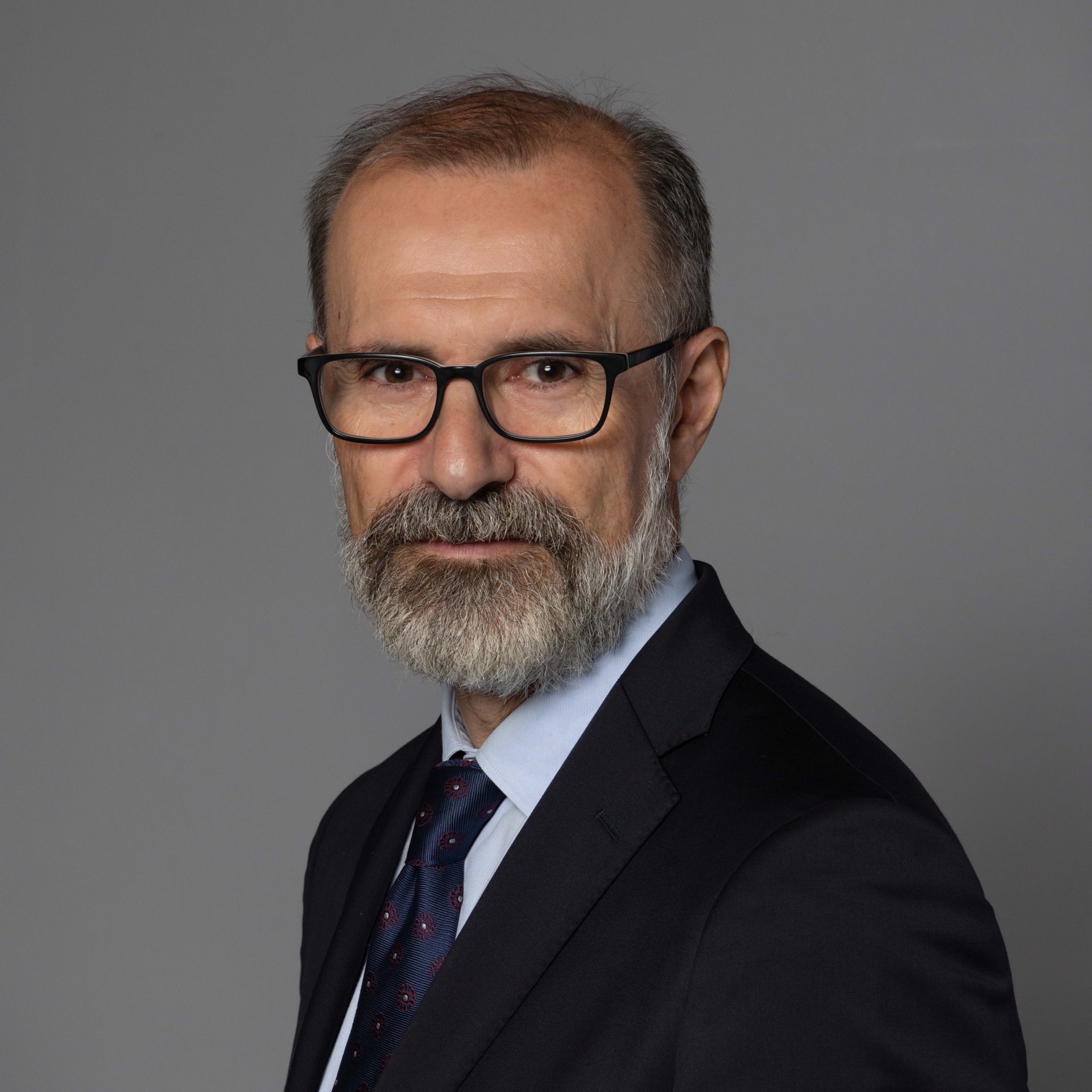
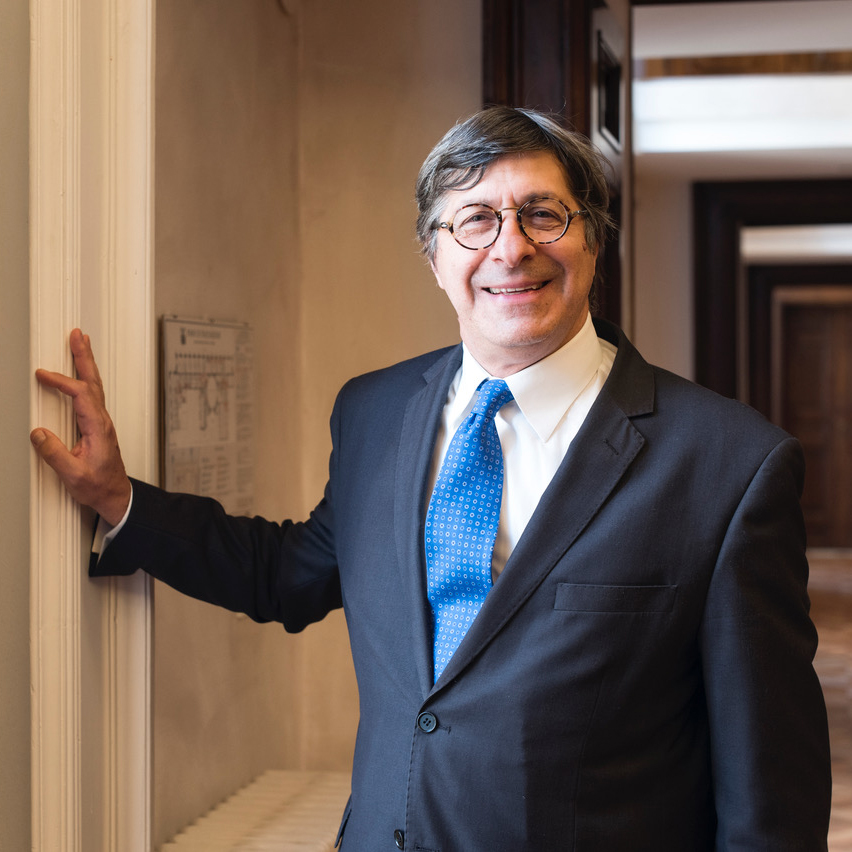
Marco Leona
Short Bio
Marco Leona is the Head of the Department of Scientific Research at The Metropolitan Museum of Art.
He completed his studies in Italy with a Laurea in Chimica and a PhD in Crystallography and Mineralogy from Universita’ degli Studi di Pavia.
Prior to joining the Metropolitan Museum Dr Leona worked at the Freer Gallery of Art in Washington DC, and at the Los Angeles County Museum Art LACMA. At the Metropolitan Museum of Art, he supervises a team of twenty scientists conducting research on artists’ materials and techniques, and on art conservation. From 2009 to 2021 he taught scientific methods to art conservation students as Research Professor at New York University’s Institute of Fine Art.
Dr. Leona’s research interests include the study of Japanese painting techniques and materials, and the application of Surface Enhanced Raman spectroscopy to the analysis of natural and synthetic dyes. Dr. Leona’s work on surface-enhanced Raman scattering has been published in Angewandte Chemie, Analytical Chemistry, PNAS, Accounts of Chemical Research, and the Journal of Raman Spectroscopy.
Dr. Leona was the co-chair, with Rick Van Duyne, of the 2009 Mellon-NSF workshop on Chemistry and Materials Research at the Interface between Science and Art, and the co- chair, with Heinz-Eberhard Mahnke of the first Gordon Research Conference on Scientific Methods in Cultural Heritage Research, in 2012.
Abstract Title
The art and science of color: four thousand years of experimentation and discovery through the collections of the Metropolitan Museum of Art
Abstract
What have Tutankhamun funerary linens in common with Nadal socks after a Roland Garros final? What can a speck of pink tell us about the mysterious old woman depicted in a first century Roman statue? What contributed, more than Mexican gold to pay Charles V debts to the Augsburg bankers? Why there are no Japanese landscape prints dating to before 1820, and who is really responsible for Hokusai’s masterpieces? What is the color of modernity?
The creation of a work of art is a process often depicted as untouched by material constraints. Pure, unfettered inspiration, without the limitations imposed by physics. It should be evident, however, that only with materials having defined physical properties a certain esthetic effect can be obtained.
The quest for color, for beauty is a fundamental constant in human history, as well as an economic engine, and an inspiration for art and technology alike.
While we easily recognize that the desire to produce richer and more lively images is a clear driver to seek new materials, on the other side of the world, in mines or forests, or in the crucibles of the alchemist (or of his modern counterpart, the chemist), we often overlook how new materials lead to new esthetics.
Using advanced analytical chemistry we can build a material history of art based on physical evidence gathered from masterpieces spanning four millennia, from ancient Egypt to Modernity, demonstrating that technological developments were not only readily embraced, and often prompted by artists and their audiences, but also that they in turn created new forms of expression.
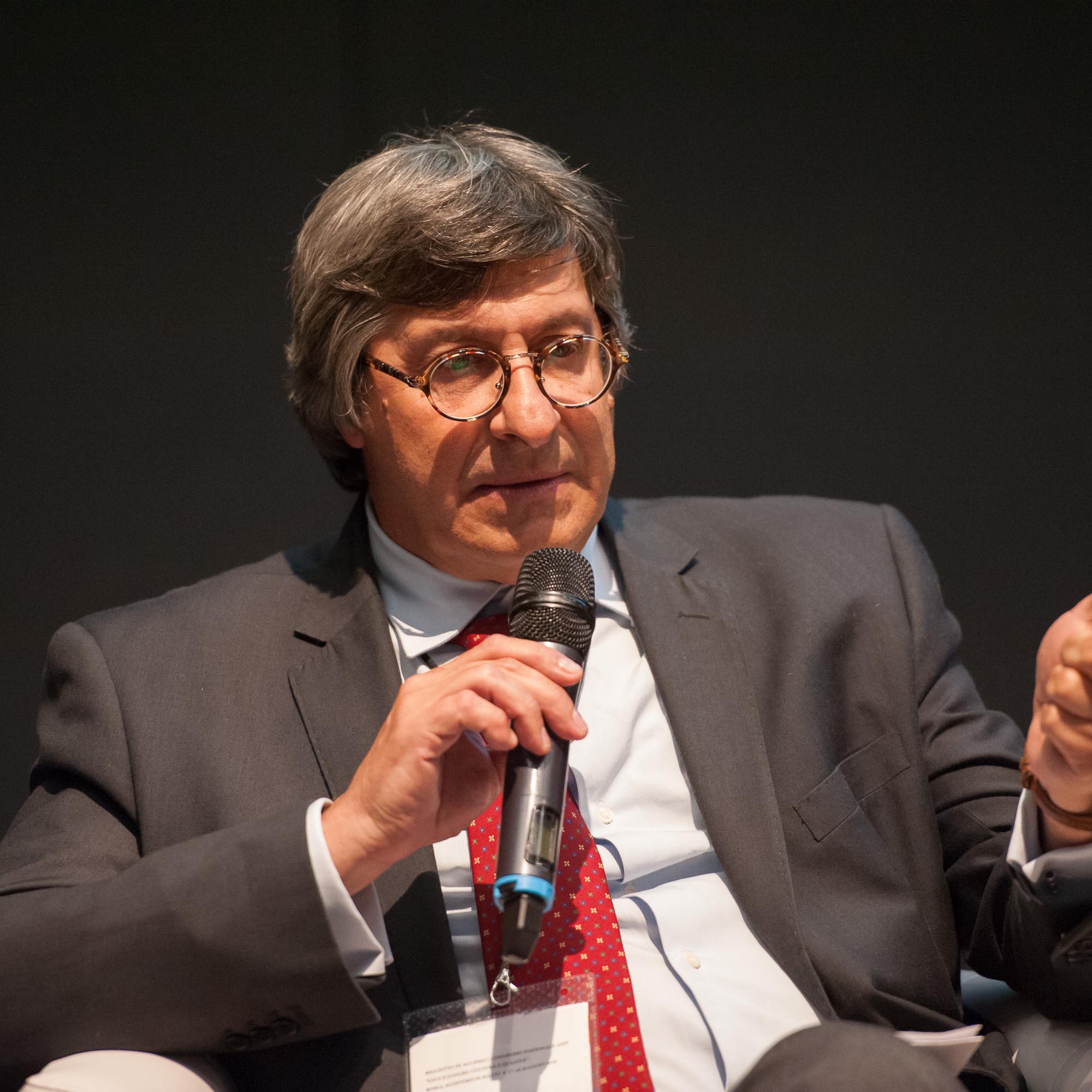
Pietro Palladino
Short Bio
Pietro Palladino, Electrical Engineer, registered with the Order of Engineers of the Province of Milan. Owner of a professional firm that has been working in Milan since 1990 in the field of lighting design. Alongside his work as a designer, he also works as a technical consultant for public administrations, manufacturing companies, and cultural institutions. He is the author of several publications, including two lighting manuals.
Involving in heritage lighting, he deals with museum, particularly ancient art, designing dedicated lighting systems and innovative bespoke equipment.
Electrical and Lighting consultant for Duomo of Milan.
Adjunct professor at the Polytechnic University of Milan where he teaches light design in the Faculties of Architecture and Industrial Design. Teacher of the I° Level Master’s Degree in Lighting Design & LED Technology, Poly.Design Milano and of the SSBAP Specialization School of the Polytechnic of Milan. Technical consultant to the Court of Milan, Honorary President of APIL (Italian Association of Lighting Professionals).
Abstract Title
Color rendering variations in paintings in function of their surface reflection characteristics
Abstract
The keynote refers to cases where the color rendering of pictorial works is not attributable to the absorption and dispersion of pigments and/or to the specific properties of the substances present in the pictorial layers.
The features considered include surface and interior structures of the painting. These factors can influence the perceived color and color differences between similar objects depicted. It is often difficult to ascertain whether the cause of the observed differences is the consequence of these factors, as well as to evaluate in advance the real changes that they can induce in the colors of the painting.
Surface reflection can vary as a function of the gloss of the painted surface. In reality, materials can present many different types of textures and various evident surface irregularities.
The amount of incident light reflected depends on the ratio between the refractive indices of the two materials at the interface: therefore, in the case of transparent protective layers or protective glasses, perceivable alterations in the color rendering of a painting can occur, as well as unpleasant “shimmering” phenomena.
The study presented is aimed at analyzing the phenomena described above and examining possible solutions to limit color shift in permanent exhibitions.
Roberta Piantavigna

Short Bio
Roberta Piantavigna is Head of Conservation at Fondazione MAST (Bologna, Italy), where since June 2024 she leads the management and preservation of the collection. Her practice is informed by previous roles as Photography Conservator at the San Francisco Museum of Modern Art and Andrew W. Mellon Fellow at The Museum of Modern Art, New York, as well as by private conservation practice in Milan and Luxembourg.
She approaches conservation as a reflective and adaptive practice, positioned at the intersection of material care, curatorial thinking, and public engagement. Her work and research focus on the opportunities and challenges of collecting and preserving photography collections while adapting to evolving conservation practices that respond to the variability of artworks, climate change, and the expanding social role of conservation within society.
She has presented at international conferences on technical and theoretical topics, including hinging technique for displaying color photographs, the issue of reprinting photographic artworks, sustainability, and policy-making within contemporary conservation practices. Over the years, she enjoyed sharing her experience and studies with students of international conservation programs in Italy and the Netherlands.
Abstract Title
Conserving Contemporary Photography: Knowledge in the Making.
Abstract
While photography conservation practice has generated a wealth of insightful resources through professional research, scientific collaboration, and conservators’ experience, the knowledge surrounding contemporary photography conservation remains fragmented. Rather than being consolidated into a substantial body of reference literature, it is distributed across isolated museum projects and practices, and individual expertise, leaving many of the challenges of preserving contemporary photographic works still underinvestigated.
This keynote invites the audience to recognize this condition and view it as a fertile space for curiosity, experimentation, and collective thinking. Drawing on conservation practice at the intersection of traditional photography and contemporary art, the talk reflects on how the conservator’s role entails engaging with uncertainty and adapting to change. It contributes to expanding the understanding of contemporary photographic heritage through approaches and ethics informed by other disciplines within conservation and social studies.
By embracing what has not yet been fully investigated or written, the keynote aims to spark enthusiasm for research, dialogue, and new forms of knowledge-making and sharing in contemporary photography conservation. It calls for an expanded, inclusive, and responsive approach; one that recognizes experiential knowledge as a vital resource and positions conservators as active contributors to the evolving history of photography and to the remit of conservation itself.